Whether you’re financing a vehicle through a private sale, taking out a mortgage, signing paperwork for student loans, or borrowing money from a family member, you’ve likely encountered—or will encounter—a promissory note. Understanding what a promissory note is and how it works is essential for anyone navigating the world of lending, from traditional bank financing to alternative options like payday loans, installment loans, personal loans, title loans, tribal loans, allotment loans, and emergency online loans.
A promissory note serves as the foundational legal document in virtually every lending transaction. It creates a binding commitment between borrower and lender, establishing the terms under which money changes hands and must be repaid. Unlike casual IOUs scribbled on napkins, a properly executed promissory note carries significant legal weight and can be enforced in court.
This comprehensive guide breaks down everything you need to know about promissory notes—from basic definitions and essential components to specialized types used in real estate, auto financing, and student lending. By the end, you’ll understand not only what these documents contain but also what happens when things go wrong.
Promissory Note Definition: What It Is and How It Works
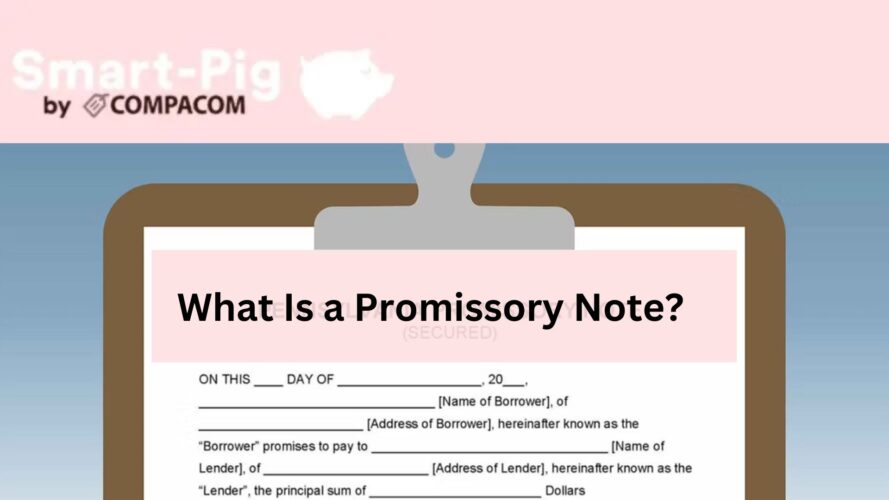
A promissory note is a written, legally binding document in which one party (the maker or borrower) promises to pay a specific sum of money to another party (the payee or lender) under defined terms. The document specifies the principal amount, interest rate, repayment schedule, and maturity date—creating an enforceable contract that governs the lending relationship.
The concept traces back centuries to merchant banking in medieval Europe, where written promises to pay facilitated trade across borders. Today, promissory notes remain the backbone of consumer and commercial lending. Every time you finance a car, close on a house, or sign for student aid, you’re executing a promissory note.
What distinguishes a promissory note from a simple loan agreement is its negotiability. Under the Uniform Commercial Code (UCC), which governs commercial transactions in the United States, a promissory note can be transferred from one holder to another—meaning your original lender might sell your note to a different financial institution. This transferability is why promissory notes are classified as negotiable instruments, placing them in the same legal category as checks and certificates of deposit.
What Is Included in a Promissory Note?
A valid promissory note must contain specific elements to be legally enforceable. While state laws vary slightly, the core components remain consistent across jurisdictions.
Principal Amount
The exact sum being borrowed, stated clearly in both numerical and written form. This eliminates ambiguity and prevents disputes over the loan amount.
Interest Rate
The cost of borrowing, expressed as an annual percentage rate (APR). Notes may specify fixed rates that remain constant throughout the loan term or variable rates tied to benchmark indices. Usury laws in most states cap maximum interest rates, though exemptions exist for certain lender types.
Repayment Terms
The schedule dictating when and how payments must be made. This includes payment frequency (weekly, biweekly, monthly), payment amounts, and whether payments cover principal only, interest only, or both. Installment loans, for instance, typically require equal periodic payments that gradually reduce the principal balance while covering accrued interest.
Maturity Date
The final date by which the entire obligation must be satisfied. Some notes mature in weeks (common with payday loans and emergency online loans), while others extend for decades (standard for mortgages).
Default Provisions
Clear language defining what constitutes default and the consequences that follow. This typically includes late payment penalties, acceleration clauses (allowing the lender to demand full repayment immediately upon default), and collection procedures.
Signatures
At minimum, the maker’s signature is required. Many notes also include the payee’s signature, witness signatures, or notarization depending on state requirements and the transaction’s complexity.
Types of Promissory Notes
Not all promissory notes function identically. Different lending scenarios call for different structures, and understanding these variations helps borrowers and lenders select the appropriate instrument for their needs.
Secured vs. Unsecured Promissory Notes
A secured promissory note is backed by collateral—an asset the lender can seize if the borrower defaults. Mortgages and auto loans exemplify secured lending: the property or vehicle serves as security for the debt. Title loans operate similarly, using the borrower’s vehicle title as collateral while allowing continued use of the car.
An unsecured promissory note relies solely on the borrower’s creditworthiness and promise to repay. Personal loans, many installment loans, and payday loans typically fall into this category. Because lenders assume greater risk without collateral, unsecured notes generally carry higher interest rates.
Demand Promissory Notes
A demand promissory note lacks a fixed maturity date. Instead, the lender can demand full repayment at any time, typically with reasonable notice (often 30 days). These instruments offer flexibility for informal lending arrangements, such as loans between family members or business associates, where rigid repayment schedules prove impractical.
Convertible Promissory Notes
Primarily used in startup financing, a convertible promissory note allows debt to convert into equity under specified conditions. Early-stage investors might lend money to a company through a convertible note, then convert that debt into ownership shares during a future funding round. This structure delays the complex valuation process while providing capital to growing businesses.
Cognovit Promissory Notes
A cognovit note (also called a confession of judgment note) contains a clause allowing the lender to obtain a court judgment against the borrower without standard legal proceedings if default occurs. Due to concerns about due process, many states have banned or severely restricted cognovit provisions. Borrowers should exercise extreme caution before signing any document containing confession of judgment language.
What Is a Master Promissory Note (MPN)?
A master promissory note is a single legal document that covers multiple loans over an extended period. Rather than signing separate paperwork for each disbursement, the borrower signs once and receives funds as needed under the original agreement’s terms.
The most common application involves federal student aid. When you take out Direct Loans for college, you sign a Direct Loan Master Promissory Note that typically remains valid for ten years. This single signature covers all Direct Subsidized Loans and Direct Unsubsidized Loans you receive during that period, streamlining the borrowing process while maintaining clear documentation of your obligations.
Signing a master promissory note for student loans commits you to repaying all amounts borrowed under that agreement, plus accrued interest. The MPN outlines your rights and responsibilities as a borrower, explains available repayment plans, and describes consequences of default—including wage garnishment, tax refund seizure, and damaged credit.
Promissory Notes for Student Loans
Federal student loans require borrowers to complete a master promissory note before receiving any funds. The process occurs through the Federal Student Aid website (studentaid.gov), where borrowers electronically sign after reviewing loan terms and completing entrance counseling.
The Direct Loan MPN covers both subsidized loans (where the government pays interest while you’re in school) and unsubsidized loans (where interest accrues from disbursement). Graduate students and parents of undergraduates sign separate MPNs for PLUS loans, which carry different terms and eligibility requirements.
Private student loans function differently. Each private lender uses its own promissory note format, and terms vary significantly between institutions. Interest rates, repayment options, and borrower protections differ from federal programs, making careful comparison essential before signing any private loan documentation.
What Is a Promissory Note in Real Estate?
Real estate transactions typically involve two distinct documents that work in tandem: the promissory note and the mortgage (or deed of trust, depending on jurisdiction). Understanding how these instruments interact clarifies the legal framework underlying property financing.
The mortgage promissory note establishes the debt itself—the borrower’s promise to repay the loan amount according to specified terms. The mortgage document, by contrast, creates the security interest in the property. It gives the lender the right to foreclose if the borrower defaults on the promissory note’s terms.
Put simply: the promissory note is your promise to pay; the mortgage is your pledge of the property as collateral for that promise. Both documents are necessary because each serves a distinct legal function.
Seller financing arrangements also rely on promissory notes. When a property seller agrees to finance the purchase directly (rather than requiring the buyer to obtain bank financing), the buyer signs a promissory note payable to the seller. This creates a debtor-creditor relationship without institutional lender involvement.
What Is an Allonge to a Promissory Note?
An allonge is a separate piece of paper attached to a promissory note that contains additional endorsements when the original note lacks sufficient space. In real estate, allonges commonly appear when notes are sold between financial institutions. Each transfer requires endorsement, and complex chains of ownership may necessitate multiple allonges documenting the note’s path from original lender to current holder.
Promissory Notes for Car Loans
When you finance a vehicle through a dealership or bank, the promissory note for car purchase establishes your repayment obligation. The vehicle itself typically serves as collateral, giving the lender a security interest that allows repossession if you default.
Private party auto sales present different considerations. When buying from an individual rather than a dealer, financing options narrow considerably. Some buyers use personal loans or other unsecured financing; others negotiate seller financing arrangements documented through promissory notes. Title loans allow existing vehicle owners to borrow against their equity, using the car’s title as security while retaining possession.
For private sales involving promissory notes, both parties should ensure the document clearly specifies payment terms, addresses what happens if the buyer defaults, and complies with state requirements. Having the note notarized adds an additional layer of authentication that can prove valuable if disputes arise later.
Promissory Notes for Personal Loans
Personal loans represent one of the broadest categories of consumer lending, encompassing everything from bank signature loans to peer-to-peer lending platforms to informal arrangements between acquaintances. Regardless of the source, proper documentation through promissory notes protects both parties.
Lending money to friends or family members without documentation often strains relationships and creates ambiguity about repayment expectations. A written promissory note eliminates confusion by specifying the loan amount, interest (if any), payment schedule, and consequences of non-payment. The formality might feel awkward initially, but it preserves relationships by preventing misunderstandings.
Various personal loan products serve different borrower needs. Installment loans provide structured repayment over months or years with fixed payments. Payday loans offer short-term bridge financing until the next paycheck arrives. Emergency online loans address unexpected expenses when traditional banking timelines prove too slow. Allotment loans, available to federal employees, allow repayment through automatic payroll deductions. Tribal loans, offered by lenders operating under tribal sovereignty, may provide options for borrowers who don’t qualify elsewhere.
Each product type carries distinct terms, costs, and regulatory frameworks. Understanding what you’re signing—reading the promissory note carefully before execution—remains essential regardless of the loan type or lender.
Promissory Note vs. Loan Agreement: What’s the Difference?
While promissory notes and loan agreements both document lending relationships, they differ in structure, complexity, and typical use cases.
A promissory note is a streamlined instrument focused on the borrower’s promise to pay. It flows in one direction: the maker promises to repay the payee. The document’s relative simplicity makes it appropriate for straightforward transactions where both parties understand the basic arrangement.
A loan agreement is a comprehensive contract establishing mutual obligations. Beyond repayment terms, loan agreements typically address representations and warranties, covenants restricting borrower behavior, events of default beyond simple non-payment, and detailed remedies available to the lender. Commercial loans, complex real estate transactions, and business financing often require loan agreements rather than simple promissory notes.
In practice, many transactions use both documents together. The loan agreement establishes the detailed framework governing the relationship, while the promissory note serves as the negotiable instrument evidencing the debt itself.
What Happens If a Promissory Note Is Not Paid?
Defaulting on a promissory note triggers a cascade of consequences that escalate over time. Understanding these potential outcomes underscores the importance of communicating with lenders before problems become unmanageable.
Immediate Consequences
Most notes include grace periods before late payments trigger penalties. Once that grace period expires, late fees accrue according to the note’s terms. The lender typically reports delinquency to credit bureaus, damaging the borrower’s credit score and complicating future borrowing.
Acceleration
Many promissory notes contain acceleration clauses allowing the lender to demand immediate payment of the entire remaining balance upon default. What might have been manageable monthly payments suddenly becomes an overwhelming lump sum obligation.
Collection Actions
Lenders may pursue collection internally or sell delinquent accounts to third-party debt collectors. Collection efforts intensify over time, potentially including lawsuits seeking judgment for the amount owed plus interest, fees, and legal costs. Court judgments enable wage garnishment, bank account levies, and property liens in most states.
Collateral Seizure
Secured promissory notes allow lenders to seize pledged collateral. Auto lenders can repossess vehicles; mortgage lenders can initiate foreclosure proceedings. The seizure process varies by state and loan type but ultimately results in loss of the secured asset if the borrower cannot cure the default.
Statute of Limitations
Each state sets time limits for creditors to sue on promissory notes, typically ranging from three to ten years. However, the debt doesn’t disappear when the statute expires—creditors simply lose the ability to obtain court judgments. The obligation may still affect credit reports and collection attempts may continue within legal bounds.
What Happens If a Promissory Note Is Lost?
Lost promissory notes create complications for lenders seeking to enforce repayment obligations. Under the UCC, a person entitled to enforce a lost note must prove prior ownership, explain the circumstances of loss, and typically provide security protecting the borrower against claims by others who might later appear with the original document.
Courts generally allow enforcement of lost notes when the holder adequately establishes their right to payment. However, the process requires additional legal steps and may face borrower challenges. For this reason, maintaining careful records and secure storage of promissory notes protects both parties’ interests.
How to Write a Promissory Note
Creating an enforceable promissory note requires attention to both substance and form. While templates exist for simple transactions, complex situations benefit from attorney review to ensure compliance with applicable law and adequate protection for both parties.
Essential Elements
Every promissory note should clearly identify the parties (full legal names and addresses), state the principal amount in both numbers and words, specify the interest rate and how it’s calculated, establish the repayment schedule with specific dates and amounts, define what constitutes default, and include signature lines with dates. The document should use plain language avoiding ambiguity about any material terms.
State-Specific Requirements
Usury laws cap permissible interest rates in most states, with exemptions varying by lender type. Some states require specific disclosures or language for consumer notes. Others mandate notarization for certain transaction types. Researching applicable state law before drafting prevents enforceability problems later.
Notarization and Witnesses
While not universally required, notarizing a promissory note adds authentication that strengthens enforceability. The notary’s seal confirms the signer’s identity and voluntary execution. Some states require notarization for notes above certain dollar thresholds or for specific transaction types. Even where not mandatory, notarization provides valuable evidence if disputes arise.
Are Promissory Notes Legally Binding?
A properly executed promissory note constitutes a legally binding contract enforceable in court. The document must satisfy basic contract requirements: offer, acceptance, consideration (the loan amount), and mutual assent. Additionally, the parties must have legal capacity to contract, and the note’s terms must not violate law or public policy.
Certain defects can render promissory notes unenforceable. Notes signed under duress or through fraud may be voidable. Missing essential elements (like failure to specify the principal amount) can invalidate the document. Interest rates exceeding usury limits may make the entire note unenforceable in some jurisdictions or simply void the excessive interest in others.
Negotiable promissory notes—those meeting UCC requirements for negotiability—enjoy enhanced legal status. Holders in due course (subsequent purchasers who acquire notes in good faith, for value, without knowledge of defenses) may enforce such notes even against certain borrower defenses that would defeat the original lender’s claim.
Frequently Asked Questions
What is the purpose of a promissory note?
A promissory note creates written evidence of a debt and the terms governing repayment. It protects both parties by eliminating ambiguity about the loan amount, interest, payment schedule, and consequences of default. The document’s legal enforceability gives lenders recourse if borrowers fail to pay while giving borrowers clear documentation of their obligations.
Is a promissory note the same as an IOU?
No. An IOU simply acknowledges that a debt exists without specifying repayment terms. A promissory note is a comprehensive legal document establishing how, when, and under what conditions repayment will occur. IOUs offer minimal legal protection compared to properly drafted promissory notes.
Can you cancel a promissory note?
Promissory notes can be cancelled through mutual agreement, full satisfaction of the debt, or formal release by the holder. When a loan is paid in full, lenders typically return the original note marked “paid” or provide a separate satisfaction document. Without holder consent, borrowers cannot unilaterally cancel valid promissory notes.
What makes a promissory note invalid?
Common invalidating factors include: missing essential terms (amount, parties, signature), fraud or duress in execution, lack of legal capacity (minor signing without guardian), illegal subject matter, and usurious interest rates in jurisdictions voiding such notes entirely. Technical defects in form rarely invalidate notes if the essential elements are present and clear.
Do promissory notes need to be notarized?
Most states don’t require notarization for promissory notes to be enforceable. However, notarization adds authentication value, may be required for recording in some jurisdictions, and can simplify enforcement proceedings. For significant transactions, notarization represents a modest investment that provides meaningful legal benefits.
Understanding Your Rights and Obligations
Promissory notes form the legal backbone of lending relationships across virtually every context—from multimillion-dollar real estate transactions to small personal loans between friends. Whether you’re the borrower or the lender, understanding what these documents contain, how they function, and what happens when terms aren’t met empowers you to make informed decisions and protect your interests.
Before signing any promissory note, read every provision carefully. Ask questions about terms you don’t understand. Consider whether the repayment obligations fit realistically within your financial capacity. And remember: the few minutes spent reviewing documentation can prevent years of complications down the road.
If you’re exploring financing options—whether traditional bank loans, personal loans, installment loans, or alternative products like tribal loans or emergency online loans—comparing terms across lenders helps ensure you find arrangements matching your needs and repayment ability. The promissory note you sign today shapes your financial obligations for months or years to come. Make that signature an informed one.